Click to Call


Campaign Production Timelines That Keep Ads Moving
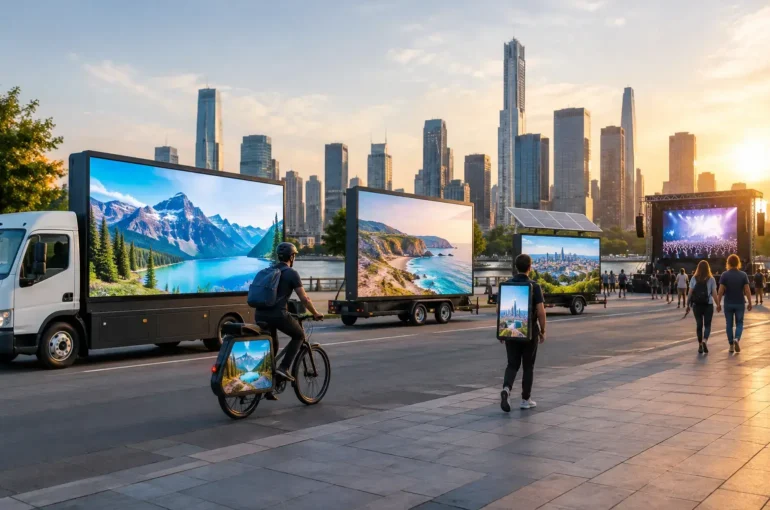
A mobile billboard booked for a major sale, venue opening or event launch only works if the artwork, print and deployment are ready when the audience is there. Campaign production timelines are not admin – they are what turn a media booking into street-level visibility at the moment it matters most.
For mobile outdoor advertising, timing affects more than a start date. It shapes where your message can run, how long it receives repeated exposure and whether your creative reaches people before they make a decision. Build the timeline early, make room for approvals and keep the campaign moving.
Start with the date the campaign must be seen
Work backwards from the real-world moment your advertising needs to perform. A concert campaign may need to build momentum in the two weeks before gates open. A retail promotion may need coverage from the first morning of a sale. A property launch might need sustained visibility around inspection periods, rather than one big burst on launch day.
That distinction matters. The required live date is not always the event date, and it is rarely the same as the day you first discuss media. Decide when people need to see the message, then set the production schedule around it.
For multi-city activity, check each location separately. A national campaign can have one central creative idea while requiring different deployment dates, local routes or event access arrangements in Brisbane, Sydney, Melbourne, Perth and regional markets. One delayed approval should not automatically hold up every market if the campaign can sensibly be phased.
Build campaign production timelines from four checkpoints
The cleanest production plan has four clear checkpoints: media confirmation, artwork approval, production completion and live deployment. Every person involved should know who owns the next decision and by when.
1. Confirm the media format and live dates
Start by locking in the format that suits the job. Digital mobile billboards can be highly responsive when creative needs to change across a campaign, while conventional mobile billboards, bike boards, walking boards and printed event displays need physical production time. Solar ad trailers and event screens can also require site, access and operational details to be confirmed before deployment.
Availability is part of the timeline, not a separate conversation. Popular dates around festivals, sporting fixtures, school holidays, retail peaks and election periods can tighten quickly. Confirming your preferred format and locations early gives you more control over the campaign, rather than forcing a compromise when inventory is already committed.
2. Prepare artwork for the format, not just the idea
A good concept can still underperform if it is not built for a moving audience. Mobile outdoor creative needs a strong hierarchy: a clear brand, one central message, limited copy and a call to action people can absorb at a glance. Long web addresses, dense legal copy and tiny offer details may work in a brochure, but they fight for attention on the road.
Artwork specifications should be requested before design begins. Dimensions, file types, resolution, bleed, safe areas and colour settings differ between printed panels and digital screens. Supplying a file built for the wrong format creates avoidable revisions, especially when logos, product packs or key text sit too close to an edge.
If a campaign includes several formats, create a master visual system rather than stretching one file across every placement. The headline and brand elements can remain consistent, but the layout should adapt to the screen or panel. That protects legibility and makes the campaign look intentional wherever it appears.
3. Allow time for meaningful approvals
Approvals are often where a fast campaign slows down. Marketing may approve the visual, while legal needs to review pricing, terms, claims or partner logos. A franchise group, venue, sponsor or agency can add another layer. None of this is a problem when it is planned for. It becomes a problem when final sign-off is expected an hour before printing.
Nominate one final approver and set a firm cut-off. Consolidate comments before sending them back to the designer or production team. Multiple people emailing small changes in different directions is how a simple artwork update turns into a missed deadline.
Be particularly careful with time-sensitive details. Sale dates, ticket prices, opening hours, QR codes and campaign landing pages should be checked again immediately before release. A last-minute price change may be easy to update on a digital mobile billboard, but it can mean reprinting a physical display.
4. Produce, check and deploy
Once print-ready artwork is approved, the production team needs enough time to produce the panels, apply graphics, complete quality checks and prepare the unit for its route or site. The exact lead time depends on the format, volume of work, location and complexity of the campaign. A straightforward job can move quickly. A custom build, several markets or a campaign timed around a major event needs more breathing room.
Treat the final proof as a commercial check, not merely a design check. Confirm the offer, dates, contact details, logo version and required disclaimers. Then confirm practical details such as campaign start and finish dates, operating hours, route areas, venue access and any creative rotation for digital displays.
What usually puts a campaign behind schedule
Late artwork is the obvious issue, but it is not the only one. The most disruptive delays tend to happen when a campaign starts with assumptions instead of confirmed details.
Common pressure points include a creative concept that does not fit the booked format, an unapproved offer that changes after production, missing logo files, unclear version control and a campaign brief that says “national” without defining city-by-city dates. Event work can add site bump-in rules, power requirements, security access and weather contingencies.
The answer is not to add unnecessary meetings. It is to make the few essential decisions early. Confirm the objective, audience locations, live dates, booked format, artwork owner and approval pathway in the first conversation. That gives every supplier a usable brief and prevents time being lost to backtracking.
When fast turnarounds make sense
Fast campaigns are possible, particularly with digital formats and straightforward creative. They are useful for short-term retail offers, last-minute event promotion, reactive brand activity or a change in market conditions. But speed still relies on prepared decisions.
If you know you will need flexibility, build a campaign toolkit before the pressure arrives. Keep approved logos, fonts, brand colours, image assets and legal wording in one place. Prepare adaptable creative templates for common promotions. Have a nominated approver who can make a decision quickly. These small steps can turn a rushed request into a controlled launch.
There is a trade-off. A rapid turnaround may reduce time for testing creative variations, coordinating a broad multi-market rollout or producing complex printed elements. If the message needs to be live tomorrow, choose clarity and reach over an overworked concept. One direct offer on a well-positioned mobile display will generally outperform a clever message people cannot read.
Plan for the campaign after it goes live
Production does not end when the display hits the street. Confirm how campaign activity will be monitored, whether creative changes are scheduled and who should be contacted if dates, locations or offers need to change. For digital campaigns, consider planning different creative for launch, mid-campaign and final-call periods rather than running the same message unchanged.
For printed campaigns, protect the value of the production investment by giving the media enough time to build repetition. Mobile outdoor works because people encounter the message in busy, relevant places more than once. A longer, well-routed campaign can be more valuable than a short burst with a rushed production process.
Mobile Outdoor Media can coordinate the practical steps from artwork specifications through to national deployment, helping keep the handover between creative, production and media clear. The earlier the campaign conversation starts, the more options you keep on the road.
Set the live date, approve the essentials and leave enough room for production to do its job properly. Then take the message to the streets when your audience is ready to act.