Click to Call
How to Add QR Codes to Billboards That Convert
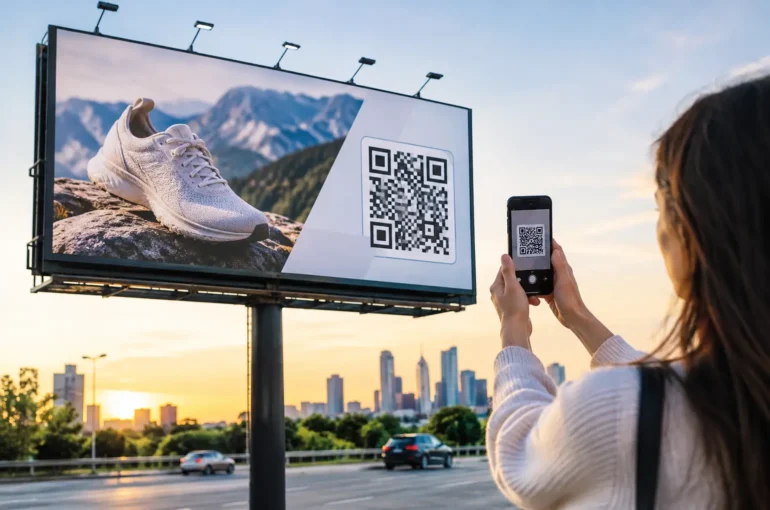
A QR code can turn a passing glance into a measurable action, but only when it is built for the street. Add QR codes to billboards without considering speed, distance, glare and the next step, and the code becomes dead space. Get those details right and your outdoor campaign can drive enquiries, bookings, competition entries, directions and sales while your message is still front of mind.
For mobile billboards, event screens and high-traffic outdoor sites, the opportunity is especially strong. Your advertising is already moving towards audiences where they shop, attend events, commute and spend time. A well-planned QR code gives interested people a direct way to respond when they are safely able to do so.
Why add QR codes to billboards?
Outdoor advertising is built to create reach and repeat exposure. A QR code adds a response layer. Instead of asking people to remember a website, search a brand later or type a long URL, it gives them one clear action to take.
That action should match the campaign. A restaurant might send people to a limited-time offer. A property developer might direct prospects to an inspection registration page. An event promoter could drive ticket sales, while a retailer may use the code for a store locator, catalogue or giveaway entry.
The value is not simply the scan count. QR data can show which locations, routes, creative versions and campaign periods generated interest. That makes outdoor media easier to assess alongside your other channels. It also helps you make smarter decisions during a campaign, rather than waiting until the end to discover what worked.
There is a trade-off. A QR code cannot carry a weak message. It should support the main billboard idea, not compete with it. If a person cannot understand the offer in a second or two, a code will not rescue the creative.
Design QR codes for real viewing conditions
A billboard QR code is not a flyer QR code. It needs to work from a distance, in changing light, and often while people are walking past or waiting at lights. Treat it as a functional campaign asset, not a decorative square added at artwork sign-off.
Start with size. The required size depends on viewing distance, screen resolution and how quickly the audience is moving. Pedestrians standing near an event screen can scan a smaller code than people viewing a mobile billboard from across a road. As a practical rule, build generously and test at the furthest realistic scan distance. If the code looks small on a laptop screen, it will look far smaller outdoors.
Contrast matters just as much. Use a dark code on a clean, light background with clear space around all four sides. Avoid placing it over photography, gradients, shadows, busy patterns or reflective areas. Brand colours can work, but scan reliability comes first. Black and white remains the safest choice when conditions are demanding.
Keep the surrounding message simple. A strong outdoor execution usually includes the brand, one offer or benefit, a clear call to action and the code. Trying to fit product features, legal copy, social handles and several calls to action around the code makes the whole panel harder to read.
Digital mobile billboards add another consideration: dwell time. A code shown for only a few seconds may be missed, especially in busy areas. Give QR-focused creative enough screen time and repeat it consistently across the campaign loop. For event audiences, consider running the QR message before key moments, during queues and at breaks when people are more likely to have their mobiles in hand.
Give people a reason to scan
“Scan here” is not enough. Tell people what they will get. The best call to action creates a clear exchange between the audience and the brand.
Use direct language such as “Scan for 20% off today”, “Scan to find your nearest display home”, “Scan to win festival tickets” or “Scan for the full menu”. The benefit should be immediate, specific and relevant to where the billboard is appearing.
Location can make that offer stronger. A QR code on a mobile billboard near a retail precinct could lead to a same-day offer at the nearest store. A campaign outside a stadium can promote merchandise, food ordering or a supporter competition. Near a property launch, the destination might show inspection times and directions.
Do not send scanners to a generic homepage unless it genuinely gives them what was promised. The landing page should continue the billboard’s message, load quickly on a mobile and make the next action obvious. If the ad says “scan for tickets”, the page should open on tickets, not make visitors hunt through a navigation menu.
Build for safety, not wishful thinking
QR codes work best where people have the time and space to use them. Pedestrian zones, shopping strips, event entrances, transport hubs, queues and slow-moving traffic are natural opportunities. They are less suitable as the primary call to action for drivers travelling at speed.
Never design creative that encourages a driver to scan while operating a vehicle. Instead, use the billboard to build recall and provide a QR option for passengers, pedestrians or people who scan later when safely parked. Pair the code with a short, memorable URL or campaign name so the audience has another way to respond.
Mobile outdoor advertising gives campaign planners useful flexibility here. Routes can be planned around retail areas, event precincts and places where audiences pause rather than simply pass through. Timing matters too. A breakfast offer belongs near commuter foot traffic, while a late-night hospitality message may perform better around entertainment districts.
Use dynamic QR codes and track the right signals
A dynamic QR code is usually the smarter choice for a billboard campaign. It allows the destination URL to be updated without changing the printed or displayed code. That is useful when an offer changes, an event sells out, a campaign needs correcting or you want to redirect traffic to a different page.
It also supports better reporting. Create separate codes for different cities, routes, formats or creative versions when you need to compare performance. A national campaign does not have to be measured as one broad result. You can identify where response is strongest and adjust the media plan accordingly.
Be realistic about attribution. A scan is a valuable signal, but it is not the only outcome outdoor delivers. People may see the billboard, search the brand later, visit a store, mention the promotion to a friend or buy without scanning. Use QR scans alongside website traffic, offer redemptions, leads, sales data and location-based performance indicators.
Privacy deserves attention as well. Be clear about any data collection on the landing page, particularly when collecting names, emails or competition entries. The scan itself should feel low-friction. Asking for a lengthy form before revealing the promised offer is a quick way to lose interest.
Test before the campaign goes live
Do not wait until the billboard is on the road to discover that the code is difficult to scan. Test the finished artwork, not just the QR image in isolation. View it on the actual screen or at print scale, in bright conditions and after dark where possible.
Before approving artwork, check these five essentials:
- Scan the code using different mobile models and camera apps.
- Test it at the expected viewing distance, not from 30 centimetres away.
- Confirm the landing page loads quickly on mobile data.
- Make sure the call to action states a genuine, immediate benefit.
- Check that campaign tracking, terms and contact details are ready before launch.
This is where production support matters. QR codes should be considered early, alongside format selection, artwork specifications, display duration and route planning. Mobile Outdoor Media can help align the creative with the real conditions of the format, whether the campaign is running on a digital truck, solar ad trailer, bike board or event screen.
Match the format to the scanning moment
There is no single best placement for every QR code. A large conventional mobile billboard creates standout presence and can work well around slow-moving traffic and major precincts. Digital mobile billboards allow different offers or codes to run by time, route or audience. Bike boards and walking boards can be highly effective in crowded pedestrian areas because promoters can bring the message close to the audience.
At events, screen placement can create a strong response window. Use a compelling incentive, show the code long enough to scan and keep the landing page event-specific. If the audience is already queuing, waiting for a performance or sharing content, a QR interaction feels natural rather than forced.
The strongest campaigns respect the simple reality of outdoor: people have limited time. Make the message visible, make the reason to scan worthwhile, and put the code where people can use it safely. When every part of the journey is planned, your billboard does more than get noticed – it gives the right audience a clear reason to act.