Click to Call


LED Display Weatherproofing for Outdoor Campaigns
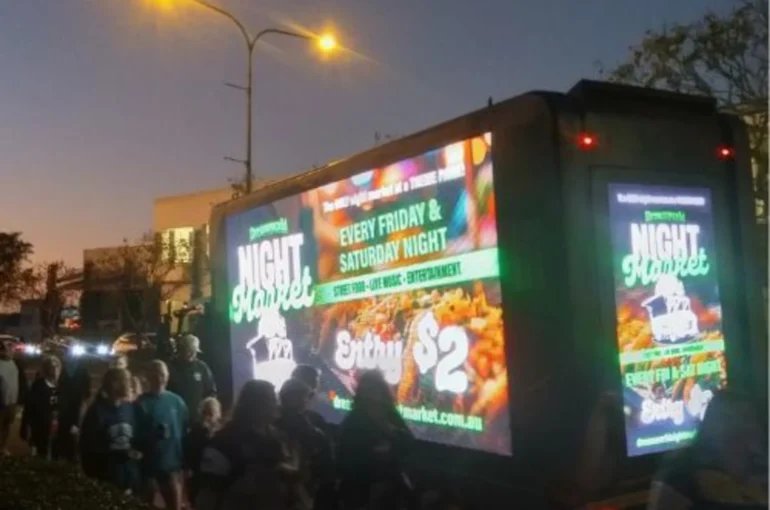
A screen can have the right location, a sharp creative and a crowd moving past it all day – then lose impact the moment rain, heat or glare takes over. LED display weatherproofing is what keeps an outdoor campaign visible, safe and operating as planned when conditions turn. It is not a single rating on a spec sheet. It is the full system of enclosure design, cooling, power protection, installation and maintenance that lets a display earn its place outdoors.
For brands, agencies and event teams, that reliability matters. An outdoor screen is there to own attention in public space. If its brightness drops in full sun, moisture reaches a connection, or heat forces the display to shut down, the campaign loses valuable exposure when audiences are right in front of it.
What LED display weatherproofing really covers
Weatherproofing starts with keeping water and airborne debris out of the display, but that is only part of the job. A properly specified outdoor LED screen must also manage high temperatures, direct sunlight, wind-driven rain, dust, electrical fluctuations and the everyday vibration that comes with mobile or event-based deployments.
Australia puts displays through a wide range of conditions. A summer activation can face punishing UV and heat in the afternoon, then a sudden storm later that day. Coastal sites add salt in the air. Regional routes can bring dust, while a long event day can mean repeated temperature changes from dawn to evening. The right screen and installation method depend on the environment, not just the postcode.
This is particularly relevant for mobile billboards and event screens. They move between locations, encounter changing road and weather conditions, and need to deliver a consistent image without a long fixed-site build. The equipment must be built for that operational reality.
Start with the enclosure and IP rating
An ingress protection, or IP, rating indicates how well an enclosure resists solid particles and water. It is a useful starting point for LED display weatherproofing, but it should not be treated as the whole answer.
The first number refers to protection from solid objects and dust. The second refers to water protection. For exposed outdoor LED applications, a high dust and water resistance rating is generally expected. However, the rating only applies to the tested product in the tested condition. It does not automatically cover a poorly sealed cable entry, an open service panel, a damaged gasket or the way a display has been mounted.
Ask practical questions before relying on a rating. Are the front and rear of the cabinet rated for outdoor exposure? Where are power and data connections located? Can water pool around connectors? Are access doors sealed after service? These details matter more than a headline specification when the weather is working against the screen.
Rain is a drainage and installation issue too
Rain rarely arrives politely from directly above. Wind can drive it into joins, vents and cable paths. Water can also collect underneath a screen, enter through an incorrectly sealed connection or sit against a cabinet where drainage has been overlooked.
Good outdoor setups direct water away from sensitive components. Cabinets need intact seals, correctly fitted doors and protected cable glands. Mounting angles, roof structures and frame design should avoid creating pockets where water can gather. For mobile displays, the vehicle or trailer arrangement must also keep wiring protected through travel and wet-weather operation.
There is a trade-off here. Closing every opening without considering heat can create a different failure point. Outdoor display design must keep moisture out while allowing the system to shed heat effectively. That balance is why purpose-built outdoor equipment performs differently from an indoor screen placed outside under temporary cover.
Heat, sunlight and brightness drive performance
Direct sun creates two separate challenges: viewers need enough brightness to see the content, and the screen itself must manage the heat generated by sunlight and its own electronics.
High brightness helps creative cut through daylight, especially near busy roads, retail precincts and event entrances. But higher brightness can increase power use and operating temperature. A screen that runs at maximum output all day without suitable cooling, sensors or thermal controls can age faster and may reduce output to protect itself.
Look for systems designed to adjust brightness to ambient conditions. Automatic brightness control can maintain visibility while avoiding unnecessary power draw in lower light. It also prevents an over-bright display from becoming uncomfortable after sunset.
Thermal management is just as important. Depending on the cabinet design and location, this may involve passive heat dissipation, ventilation, fans or air-conditioning. Fans can introduce dust and require regular checking. Air-conditioning can add cost, power demand and maintenance. Passive systems are simpler but may have limits in extreme heat. The best choice depends on screen size, brightness, enclosure design, operating hours and where the unit will be deployed.
Don’t overlook dust, salt and UV exposure
Dust can block vents, coat components and affect cooling over time. Fine particles are common around construction zones, regional roads and dry event sites. Salt-laden air is another long-term risk around coastal locations, where corrosion can affect metal fittings, connectors and cabinet surfaces.
UV exposure also takes a gradual toll. It can degrade plastics, seals and cable jackets, particularly where equipment spends long periods in direct sun. A display may still look fine from a distance while the parts that keep water out are becoming less reliable.
This is why routine inspection is not optional. A screen that travels regularly or operates across varied environments needs condition checks between campaigns, not only after something goes wrong. Keep an eye on seals, fasteners, cable protection, vents, drainage points and signs of corrosion.
Protect the power and data path
Outdoor screens rely on more than LED modules. Power distribution, data cabling and connections must be protected from moisture, movement and voltage issues. One weak point can interrupt an entire display.
Power connections should be rated for the environment, correctly installed and protected from standing water. Cable runs need strain relief so vibration and movement do not loosen them over time. Surge protection and appropriate electrical safeguards help reduce the risk from unstable supply conditions and storm activity.
For campaign managers, this is a reason to choose a supplier that understands the complete deployment rather than simply the display face. A great screen is only as dependable as its structure, power source, cabling and on-site setup.
Build weatherproofing into campaign planning
Weather resilience should be discussed before artwork is supplied and a route or event layout is locked in. The campaign objective, audience location and operating hours all affect the right format.
A night-time event may not require the same brightness strategy as a full-day retail roadshow. A short activation under managed event infrastructure has different demands from a digital mobile billboard travelling across multiple suburbs. Coastal campaigns may call for closer attention to corrosion protection, while high-heat locations may influence run times and screen management.
Before deployment, confirm these operational points:
- expected exposure to rain, heat, wind, dust and coastal air
- screen brightness and thermal management for the operating period
- power source, connector protection and cable routing
- mounting stability, drainage and access for inspections
- a wet-weather response plan for severe conditions
That planning protects the campaign budget as well as the equipment. It reduces avoidable downtime, prevents last-minute relocations and helps ensure creative remains clear when foot traffic and vehicle traffic are strongest.
Maintenance keeps outdoor screens campaign-ready
Weatherproofing is not a set-and-forget feature. Seals wear, connectors loosen, vents collect debris and road vibration can expose weaknesses that were not apparent at installation. Regular preventative maintenance is far more efficient than waiting for a visible failure during a booked campaign.
Cleaning should be appropriate to the manufacturer’s requirements. Harsh chemicals, high-pressure water and incorrect techniques can damage surfaces or force moisture where it does not belong. Technicians should check for damaged modules, uneven brightness, corrosion, moisture signs and any change in fan or cooling performance.
For mobile and event inventory, pre-deployment checks are especially valuable. Test the display, inspect external surfaces and connections, confirm the screen can reach required brightness, and review the forecast alongside the site plan. Mobile Outdoor Media applies this practical mindset because outdoor advertising only works when the message stays live, clear and visible in the real conditions audiences experience.
The strongest outdoor display campaigns do not leave weather to chance. Specify equipment for the environment, protect every connection, plan for heat and rain, and maintain the system between runs. Then your message can keep working where it belongs: out in the street, in front of the people you need to reach.