Click to Call

8 Activation Campaign Examples That Draw Crowds
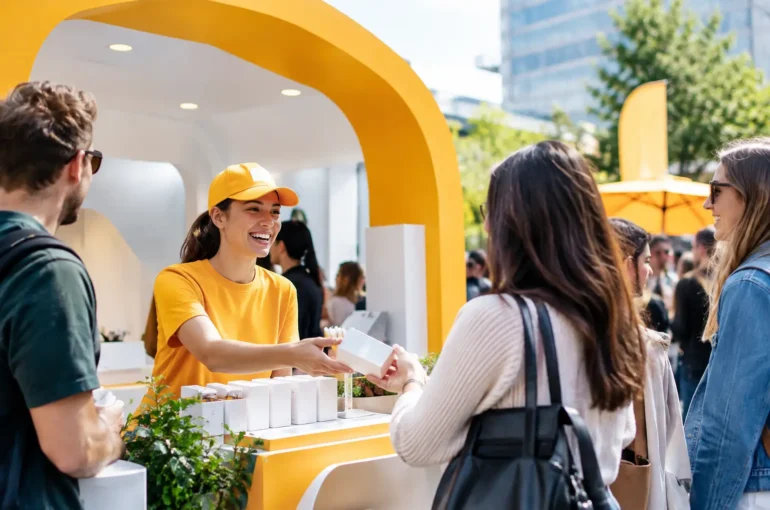
A strong activation does not wait for attention. It creates a reason for people to stop, interact and remember the brand while they are already out in the real world. The best activation campaign examples turn a busy street, event entrance, shopping precinct or transport hub into a moment people can see, share and act on.
For Australian brands, the opportunity is simple: take the message to where the audience already gathers. Mobile billboards, digital screens, bike boards and event displays give campaigns the flexibility to appear near the right crowd, at the right time, without being tied to one fixed site.
What makes an activation campaign work?
An activation campaign is designed to move people from passive awareness to participation. That action might be tasting a product, scanning a QR code, trying a service, entering a competition, visiting a store or posting content. Visibility gets the campaign noticed. A clear, low-effort next step gives it a job to do.
The strongest campaigns have three elements working together: a location with genuine foot traffic, a message that can be understood in seconds, and an activation mechanic that matches the audience. A food sampling campaign outside a lunchtime office precinct needs a different setup from a property launch near a new development or a festival promotion at a major sporting event.
Mobile outdoor media is especially useful when timing and geography matter. Rather than hoping the right people pass a fixed billboard, you can place high-impact creative around venues, retail centres, nightlife precincts, commuter routes and local hotspots as conditions change.
8 activation campaign examples built for public spaces
1. Product sampling supported by mobile screens
A new beverage, snack, skincare product or ready-made meal needs more than a logo on display. Give people a chance to try it, then use a digital mobile billboard to amplify the offer before they reach the sampling point. Run the vehicle around nearby streets in the morning, then position it close to the activation during peak trade.
Keep the creative direct: product, benefit, location and call to action. If the brand team is handing out samples in a retail precinct, the screen can tell passers-by exactly where to find them. This works well for launches where trial is the biggest barrier to purchase.
2. Retail opening day that owns the surrounding area
A new store can have great fit-out, strong stock and an opening offer, yet still miss local attention if people do not know it has arrived. Build anticipation in the days before launch with mobile billboards travelling through nearby suburbs, then concentrate around the store on opening day.
Add an immediate reason to visit, such as a limited giveaway, first-day offer or live demonstration. A digital screen can update messaging across the day, from a countdown in the morning to a last-chance promotion later on. The key trade-off is reach versus proximity: wider routes build awareness, while tight loops near the site help convert people who are ready to walk in.
3. Event arrivals that start before the gate
An event activation should not begin once attendees are inside. Catch people on approach routes, near public transport, queues, car parks and neighbouring hospitality venues. Event Screen 8 or Event Screen 16 units can create a focal point at entrances, fan zones and outdoor gathering areas, while mobile screens build momentum on surrounding roads.
This approach suits music events, community festivals, sporting fixtures, trade shows and university activations. Use a simple participation mechanic: scan to win, show your entry, vote for a favourite, collect a sample or visit the stand. The more steps an attendee must take, the more likely the interaction is lost in the crowd.
4. A suburb-by-suburb service launch
Service businesses often need local relevance more than broad national awareness. Think gyms, health clinics, childcare centres, home services, telcos or delivery brands entering selected suburbs. A mobile activation lets you stage the rollout area by area, matching routes to postcodes, shopping strips and local event calendars.
Make the message location-specific. “Now servicing [suburb]” is more useful than a generic brand line when the goal is immediate enquiries. Pair the outdoor message with a short QR destination built for mobiles, such as a quote form, opening offer or local landing page. Track scans by route or day to see which areas are producing action.
5. Property launches with real local presence
Property advertising is crowded with renders, brochures and online listings. A physical activation gives buyers a sense that a project is happening now. Use relocatable billboards or solar ad trailers near the development, key access roads and local retail hubs to establish presence over several weeks.
For inspection days, add a mobile digital billboard on nearby routes with directional messaging and current appointment times. This is particularly effective where a display suite is not visible from a main road. The creative should do one job: show the project, state the location and give prospective buyers a clear next move.
6. A live competition people can see unfolding
Competitions work best when they create visible energy. Instead of burying the entry mechanic in a social post, put it in public view. A screen can display a countdown, rotating prizes, live entries or selected user-generated content, while brand ambassadors help people participate on the ground.
This format is useful for retail centres, campuses, race days and major events. Keep legal terms accessible, but do not let fine print overwhelm the main message. The public-facing creative should make the prize and entry method obvious from a distance. If the experience cannot be understood while walking past, simplify it.
7. Cause campaigns that make support visible
Not every activation is about an immediate sale. Charities, community organisations and public-awareness campaigns can use mobile outdoor formats to make a cause present in the places where discussion happens. A powerful statistic, a local story or a clear donation prompt can turn a familiar issue into a public moment.
The best cause activations balance emotion with a practical action. Ask people to donate, register, attend, pledge, volunteer or learn more. For a regional campaign, mobile displays can also carry a consistent message across multiple towns without requiring separate fixed-site bookings in each market.
8. Street teams that travel with the message
Walking boards and digital bike boards work when the audience is moving slowly through dense spaces: CBD footpaths, waterfront areas, entertainment precincts, markets and university campuses. They put the message at eye level and can direct people towards a nearby event, retailer or promotion.
This is not the format for complicated creative. Use large type, one offer and a memorable visual. Street teams are most effective when they are deployed as part of a wider footprint, with a nearby event screen, pop-up site or mobile billboard reinforcing the same campaign line.
Plan the activation before booking media
Start with the action you want, not the format you want. Is success measured in store visits, samples handed out, leads captured, ticket sales, QR scans or social content? That decision shapes the location, staffing, creative and reporting.
Then map the audience journey. Identify where people are before the event or purchase, where they pause, and where they can take action. A mobile billboard can build reach along commuter routes, while an event screen or street team handles engagement where people gather. Using both is often more effective than expecting one format to carry every stage of the campaign.
Creative needs to work at a glance. Prioritise a bold image, a short message, a location or benefit, and one call to action. Digital formats allow daypart messaging, so a breakfast offer can run in the morning and an after-work event prompt can take over later. But changing copy only helps if the message is still clear from several metres away.
Measure the result beyond the crowd size
A busy activation can look successful while delivering little commercial value. Measure participation as well as exposure. Count samples, entries, scans, enquiries, store redemptions and event visits. Ask staff which questions came up repeatedly, because those conversations often reveal whether the outdoor creative did its job.
Use unique QR codes, promo codes or landing pages for different routes, cities or event days. This gives campaign managers a practical view of where response came from. It also helps refine the next deployment: perhaps one suburb generated strong leads, a particular event audience responded to a different offer, or afternoon messaging outperformed morning traffic.
For multi-city activity, consistency matters. Mobile Outdoor Media can coordinate national execution while tailoring routes and local placements to each market, so the campaign looks like one brand experience rather than a collection of disconnected bookings.
The most effective activation is rarely the one with the most moving parts. Put a compelling offer in front of the right crowd, make the next action effortless and keep the message visible long enough to be remembered. When the streets are already full of your customers, take the campaign to them.