Click to Call

Best Displays for Sporting Events in Australia
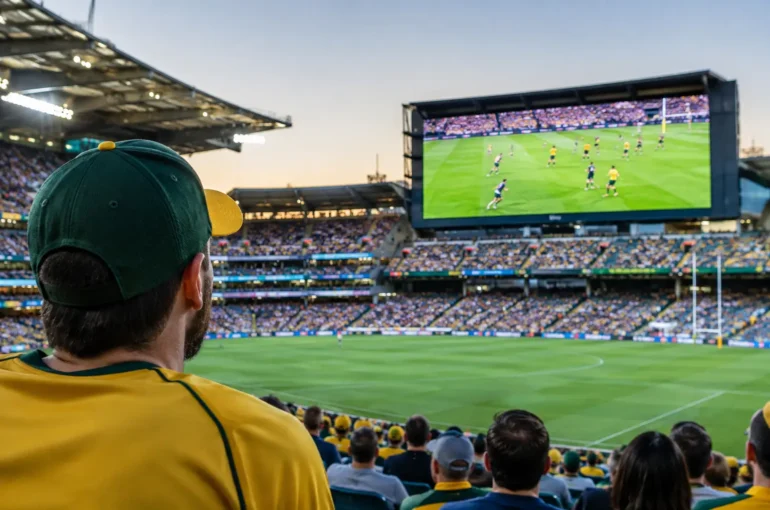
A packed grandstand is valuable. So is the crowd arriving early, queuing for food, moving between activation zones and spilling into nearby streets after the final whistle. The best displays for sporting events put your message where those moments happen, giving sponsors, promoters and venues a clear way to own attention beyond a single sign above the field.
For Australian sporting events, the right display is rarely just the biggest screen available. It needs to suit the crowd size, venue footprint, daylight conditions, dwell time, sponsorship commitments and the places people actually travel. A local junior carnival has different requirements from a national football fixture, a beachside triathlon or a race-day precinct.
Best Displays for Sporting Events: Start With the Crowd
Before selecting a format, map the audience journey. Where do people park? Which entrance carries the most foot traffic? Is there a fan zone, food court, hospitality area or public viewing space? Are there road approaches where a mobile format can build awareness before attendees even reach the gates?
This matters because sporting crowds are mobile. A display that performs brilliantly at the main entrance may not reach families settled on the outer oval, spectators gathered at presentation time or fans leaving via public transport. Build a display plan around movement, not just the centre of the venue.
The strongest campaigns also separate two goals: event information and commercial impact. Fixtures, scores, safety notices and wayfinding need clarity. Sponsor content needs scale, frequency and enough viewing time for a message to land. One screen can do both, but only when the content schedule is organised properly.
Large LED Event Screens for Live Engagement
Large outdoor LED screens are the centrepiece format for spectators who stay in one place. They are ideal for live game vision, scoreboards, replay content, presentation ceremonies, sponsor rotations and crowd prompts. At a sports ground without permanent infrastructure, a relocatable event screen can create a professional viewing experience quickly.
An Event Screen 8 is a practical choice for community sport, local tournaments, fan zones and compact event spaces. It gives organisers a clear digital focal point without overwhelming the site. An Event Screen 16 suits larger crowds, major viewing areas and events where live vision must be visible from further back.
Screen size is only one part of the decision. Viewing angles, screen placement and sun direction can make or break performance. A screen facing harsh afternoon light or positioned behind a busy pedestrian flow may be technically impressive but commercially underused. Place it where spectators naturally pause, ideally with a clear sightline from seating, food vendors or a gathering area.
Content should be built for distance. Use high-contrast colours, large type and a single message per frame. A sponsor logo squeezed into a busy graphic may meet an agreement on paper, but it will not deliver meaningful exposure in a live environment. Keep messages short, use strong brand assets and give each frame enough screen time to be seen.
Mobile Digital Billboards for Venue Approaches
Sport does not begin at kick-off. It starts when supporters leave home, drive towards the venue or decide where to meet before the match. Digital mobile billboards extend an event campaign into high-traffic streets, transport corridors, retail precincts and surrounding hospitality areas.
This format works especially well for ticket pushes, last-minute fixture reminders, sponsor promotions and directional messaging. It can also support a venue where fixed outdoor inventory is limited, expensive or positioned too far from the audience. Instead of hoping a static site is near the right crowd, bring the display to the location.
For a multi-day tournament, mobile digital units can follow the schedule. Run near accommodation and dining precincts the night before, target major approaches on game day, then move to celebration zones or retail areas after play. That flexibility creates repeat exposure without asking the audience to find your advertising.
Conventional mobile billboards remain a strong option when the creative is simple and the campaign requires long, consistent visibility. They suit sponsor branding, event names and bold visual campaigns that do not need changing messages. Digital units offer more creative rotation, while conventional formats can be a cost-effective choice for a single, highly recognisable campaign visual.
Solar Ad Trailers for Flexible Event Sites
Some sporting events take place far from permanent power, signage infrastructure or easy access points. Think regional showgrounds, coastal sporting reserves, cycling routes, motorsport areas and pop-up community events. Solar ad trailers offer a flexible digital display solution for these locations.
Their advantage is placement. A trailer can be positioned near an entry, beside a presentation area, at a merchandise zone or alongside a temporary car park, subject to site access and event approvals. This makes it easier to place sponsor messaging where it will receive repeat views across the day.
They are also useful when an event needs separate zones. One display can carry welcome messaging at the entry while another supports a sponsor activation or live programme elsewhere onsite. Do not spread displays simply because space is available. Each location should have a job: attract, direct, inform or convert.
Smaller Formats That Win Foot Traffic
Not every event needs a giant screen. For street-based sporting events, precinct activations and crowded pedestrian areas, smaller mobile formats can put a message directly in the path of fans. Digital bike boards, bike boards and walking boards are built for movement through active areas where vehicles cannot always go.
They are effective around fun runs, stadium precincts, outdoor courts, surf carnivals and city-centre events. Use them to promote a sponsor offer, point spectators towards an activation or build awareness for an upcoming fixture. Their strength is proximity. People see them at eye level, often more than once, while moving through the event.
This is not the format for long copy, fine print or a complicated sponsor message. Use a bold image, a short call to action and a clear reason to pay attention. If the campaign includes a QR code, make it large enough to scan from a realistic viewing distance and give people a reason to use it immediately.
Match the Display to the Event Objective
The best display format depends on what success looks like. If the priority is live viewing and crowd atmosphere, a large LED event screen should lead the plan. If the goal is to dominate travel routes and build awareness outside the venue, mobile billboards are usually the stronger choice.
For sponsors seeking repeated onsite visibility, combine a central screen with a mobile or trailer-based format in key access zones. This gives the brand both dwell-time exposure and movement-based reach. For regional events, the combination can be particularly effective because it helps carry the campaign beyond the grounds and into the wider community.
Budget also changes the answer. A single well-positioned screen with excellent content can outperform several poorly placed formats. On the other hand, a major event with multiple audience clusters may benefit more from a coordinated display mix than one large focal point. Invest in placement and creative quality before adding formats simply for the sake of scale.
Plan Content for the Pace of Sport
Sporting events move quickly. Your display content should do the same. Have assets ready for pre-event promotion, arrival messaging, live play, interval activity, presentations and post-event offers. A sponsor message shown before gates open serves a different purpose from one shown during a half-time competition.
Build content in short, readable sequences. Rotate sponsor material with event information so commercial messages feel part of the experience rather than an interruption. If you are promoting an offer, make the timing relevant: a food and beverage promotion near half-time, merchandise content before a final, or a local hospitality offer as fans leave the venue.
Check the practical details early. Confirm available space, vehicle access, screen sightlines, power needs where relevant, local approvals, event bump-in times and weather contingencies. These are not minor production tasks. They determine whether a display is in the best location when the crowd arrives.
Mobile Outdoor Media can coordinate mobile, digital and event display formats across Australia, helping organisers and brands build campaigns around the venues, streets and audience movements that matter.
Choose displays that earn attention at every stage of the sporting event, from the road into the precinct to the final presentation. When the format, placement and message work together, your brand does more than appear at the game – it becomes part of the occasion.