Click to Call

Billboard Format Comparison for Australian Campaigns
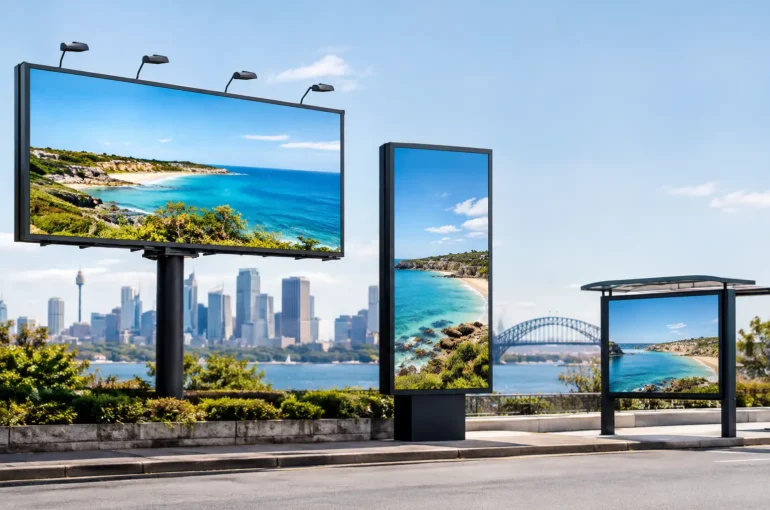
A billboard format comparison is not about finding the biggest sign and hoping for the best. It is about putting the right message in front of the right crowd, in the right place, often enough to be remembered. A CBD retail launch needs a different format from a regional property release. A one-day festival needs a different plan from a four-week national brand campaign.
The strongest outdoor campaigns start with movement. Where are your customers travelling, shopping, queuing, eating, attending or watching? Once you know that, the right billboard format becomes much easier to choose.
Billboard Format Comparison: Start With Campaign Control
Static billboards, digital screens and mobile formats can all build reach. The difference is control. Fixed-site outdoor advertising gives you a permanent position on a selected road or retail precinct. Mobile outdoor advertising lets you take the campaign to the streets, adjust routes and place your brand around the audiences that matter most.
Neither approach wins in every situation. A fixed billboard can be a smart choice when a single high-traffic location perfectly matches your catchment and the site is available for the full campaign period. Mobile formats are built for brands that need geographic flexibility, repeated exposure across several precincts or high visibility around an event, store opening or competitor area.
Before comparing screen sizes or rates, decide what your campaign must control: location, timing, creative changes, audience concentration or scale across multiple cities. That decision should lead the format selection.
Fixed Billboards: Strong Presence in One Place
A conventional fixed billboard delivers a large-format statement from a permanent roadside location. It works best when people regularly pass the same site, such as a commuter corridor, major arterial road or approach to a shopping precinct.
The key advantage is consistency. Your message remains in the same sightline day after day, helping build familiarity with regular traffic. For long-term brand awareness or a business with a tightly defined local catchment, that permanence can be valuable.
The trade-off is that the audience comes to the billboard, not the other way around. If traffic patterns shift, an event moves, weather changes foot traffic or a competing campaign dominates a nearby area, the placement cannot adapt. Fixed inventory can also be limited in premium locations, particularly when a campaign needs several suburbs, cities or regional centres at once.
Choose a fixed billboard when one location is genuinely the campaign. If your message needs to work across changing hotspots, look beyond the roadside site.
Digital Fixed Screens: Timely Creative, Shared Attention
Digital fixed billboards bring creative flexibility to a static location. They can run multiple messages, refresh offers quickly and support time-sensitive activity such as ticket sales, retail promotions and countdowns.
This format suits campaigns with several creative versions or a need to react quickly. A restaurant group may rotate breakfast, lunch and dinner messaging. An entertainment promoter can switch from announcement creative to final-release ticket messaging without replacing printed artwork.
However, digital fixed screens generally share their display time across advertisers. Your campaign receives scheduled plays rather than continuous ownership of the screen. That can be highly effective when the site, audience and share of voice suit the brief, but it requires realistic expectations about dwell time and frequency.
Use digital fixed inventory when creative agility matters more than exclusive physical presence, and when the screen location already sits directly in your audience’s routine.
Mobile Digital Billboards: Put the Campaign Where the Crowd Is
Digital mobile billboards combine high-impact screen visibility with route control. Rather than waiting at a single roadside site, a mobile unit can move through shopping strips, business districts, transport hubs, university areas, hospitality precincts and event approaches.
That makes mobile digital ideal for launches, retail bursts, brand activations, entertainment promotions and campaigns that need to dominate a defined area for a short period. It also gives campaign managers more practical control. A route can be planned around peak pedestrian activity, commuter windows, venue entry times or specific suburbs where the message needs to land.
Digital creative can rotate during the campaign, which is useful for multi-product promotions, live event messaging or a call to action that changes by time of day. The screen’s movement also creates repeated encounters. People may see the same campaign at a café strip, later near a station and again on a busy road.
The consideration is planning. Mobility is powerful when it is purposeful. A truck driving without a route strategy is simply motion. A campaign mapped around audience density, approved stopping points, traffic flows and key trading hours is a moving media asset.
Conventional Mobile Billboards: Big, Bold and Easy to Read
Conventional mobile billboards use printed panels rather than digital screens. They are a strong option when the creative is clear, stable and designed for instant recognition. Think major sale announcements, property developments, political messaging, brand launches, construction advertising or a simple campaign with one strong offer.
Printed mobile formats often provide excellent visual scale and continuous display of a single message. There is no screen rotation and no risk that a short digital play is missed. The message remains visible for as long as the vehicle is in view.
The trade-off is reduced creative flexibility once production is complete. If pricing, dates, product details or artwork need regular changes, digital will usually be the more efficient choice. If the message is locked and bold, printed mobile billboard advertising gives you a direct and cost-conscious way to own streets, suburbs and event surrounds.
Relocatable Billboards and Solar Ad Trailers: Own the Site Without a Permanent Structure
Relocatable billboards and solar ad trailers are designed for campaigns that need a longer presence at a specific location without committing to traditional permanent billboard infrastructure. They work particularly well near land releases, display villages, retail sites, community facilities, roadworks, events and temporary developments.
Their strength is site ownership. A well-placed unit can maintain a prominent message where customers are already passing, while remaining more flexible than a built structure. Solar-powered options can also support display requirements where conventional power access is limited.
These formats are not intended to chase a changing crowd across a city. They are there to establish a visible, reliable landmark at the point of decision. For a developer directing inspection traffic, a retailer promoting a local opening or an event organiser building anticipation at a venue, that can be exactly what the brief requires.
Event Screens: Make the Venue Part of the Campaign
Event screens are built for moments when audiences have gathered deliberately. An Event Screen 8 or Event Screen 16 can provide large-scale visual impact for sports days, festivals, community events, product launches, outdoor cinema, council activations and corporate functions.
The audience is concentrated, engaged and often waiting for content. That creates more time for your message than a passing roadside glance. Event screens can support sponsorship visibility, programming, presentations, live footage, event information and branded content, depending on the setup.
This is not always a substitute for a broader outdoor campaign. It is a high-impact complement when your brand needs to be part of the experience. Pair it with mobile billboard activity around arrival routes, nearby retail areas and transport connections to extend reach before guests enter the venue.
Bike Boards and Walking Boards: Reach People at Footpath Level
Bike boards and walking boards bring advertising into dense pedestrian environments where a large vehicle may not be the best fit. They are effective in CBDs, shopping strips, beach precincts, university campuses, entertainment areas and around venue queues.
These formats create close-range, human-scale exposure. They can move through foot traffic, create a visible street presence and take a message directly to people who are already in a position to visit, buy, attend or scan a simple offer.
They are best used with concise creative. A brand name, event date, offer, product image or short call to action will work harder than a crowded layout. For campaigns requiring street-team energy and precise local targeting, bike and walking boards are a practical addition to larger outdoor formats.
How to Choose the Right Format for Your Brief
Start with the audience’s behaviour, not the artwork. If your audience is driving the same route every weekday, a fixed site or relocatable billboard may suit. If they are spread across several precincts, a mobile billboard can build frequency where they actually spend time. If they are gathering for a defined occasion, event screens put your brand in the centre of attention.
Then consider campaign duration. Long-term awareness can justify a fixed placement. Short, urgent bursts often benefit from mobile formats that can concentrate exposure over a few days or weeks. If your message changes regularly, digital screens remove the cost and delay of reprinting. If it stays the same, printed formats can deliver powerful, uninterrupted visibility.
Finally, match creative to viewing conditions. Drivers need bold words, strong contrast and minimal detail. Pedestrians can absorb slightly more information. Event audiences can engage with longer visual content. One piece of artwork rarely performs equally well across every format, so produce for the screen, route and viewing distance.
For national activity, consistency matters as much as format choice. Mobile Outdoor Media can coordinate campaigns across Australian cities and regional markets while keeping the message, production standard and delivery plan aligned. The result is less fragmented buying and more control over where your campaign appears.
Your billboard format should do more than fill space. Put it where decisions happen, give people a message they can absorb in seconds, and make every kilometre of exposure count.