Click to Call

How to Book Bike Boards for Street-Level Reach
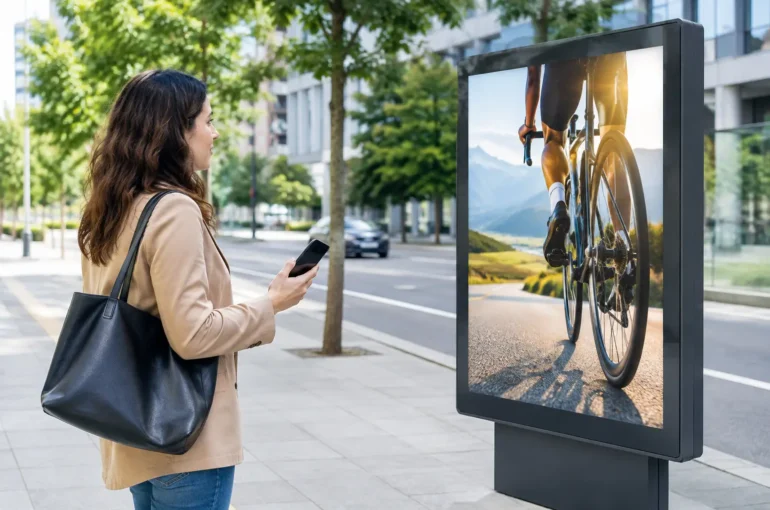
A bike board campaign is not bought like a poster site. It is planned around people: where they walk, queue, shop, commute and gather. Knowing how to book bike boards means turning that street activity into repeated, highly visible exposure for your brand, offer or event.
Bike boards put large-format advertising into busy public areas without relying on one fixed location. Riders can work key retail strips, transport precincts, entertainment districts, campuses, markets, beachfronts and event approaches. The format is especially effective when a campaign needs local presence, flexible timing and a message people can see at close range.
Start with the action you want people to take
Before choosing routes or dates, define the job the campaign needs to do. Are you opening a venue, driving foot traffic to a sale, promoting a property launch, building awareness around an event or supporting a broader mobile billboard campaign? A clear outcome makes the booking faster and the media plan sharper.
For a retail promotion, the priority may be a tight radius around the store during lunch, after work and weekend trading periods. For an event, it may be visibility around transport hubs and pedestrian routes in the days leading up to it, then concentrated activity near the venue on the day. A national brand may use bike boards to give a local edge to a larger campaign in several cities.
Be specific about the audience as well. Commuters, students, office workers, tourists, festival crowds and shoppers do not move through a city in the same way. The strongest bike board schedules meet audiences where they already are, rather than hoping they will pass a fixed sign.
Choose locations that match real foot traffic
The value of bike boards is their ability to move with the campaign. That does not mean a random ride around town. Effective routes are planned around high-potential zones, practical operating conditions and the message on the board.
Start with the suburb, precinct or event catchment you want to own. Then identify the streets and public spaces where the right people spend time. Retail and hospitality businesses often benefit from town centres, dining strips and nearby commuter routes. Entertainment campaigns can build frequency around nightlife areas, stadium surrounds and cultural precincts. Property campaigns may focus on shopping centres, train stations and neighbourhood hubs close to a development.
Timing changes the route. A weekday morning schedule may favour stations and office precincts, while late afternoon suits retail areas and post-work traffic. Weekend activity can work well around markets, sporting grounds, beaches and major events. If your campaign has a short sales window, concentrate the booking around the days and times that matter most instead of spreading the budget too thinly.
Some areas have restrictions, access limitations or crowd-management requirements. A professional operator will help shape a route that remains practical and compliant while keeping the campaign visible. The best plan is ambitious about reach but realistic about where riders can operate safely and effectively.
How to book bike boards with the right duration
Bike boards can work as a one-day tactical activation, but repeated exposure is usually where the format earns its place. People may notice a board on their commute one day, recognise it near lunch the next and act when they see it again on the weekend. That repetition helps a simple message stick.
There is no single ideal duration. It depends on the campaign objective, geography and budget. A short booking can create urgency for a grand opening, ticket release or limited-time offer. A two- to four-week program gives more opportunity to build local familiarity, particularly where riders return to the same precincts at useful times. Longer campaigns can rotate routes, creative or locations to maintain relevance.
When considering duration, ask how much frequency your audience needs before acting. A familiar local café might only need a sharp offer and several high-traffic shifts. A new development, service launch or brand campaign may need more days to establish recognition. Booking a consistent run is often more valuable than trying to cover every suburb once.
Build creative for a moving, close-range format
Bike board artwork has a different job from a digital ad, brochure or small social post. People need to understand it while walking, waiting at lights or passing through a crowded precinct. Keep the main message large, direct and visible from a distance.
One strong headline, a clear brand mark and a single next step will generally outperform an overcrowded layout. That next step could be a sale message, event date, location, product launch or memorable call to action. QR codes can be useful when the audience has time to stop and scan, but they should support the message rather than carry the whole campaign.
Use high-contrast colours, readable type and imagery that works at scale. Avoid small print, busy backgrounds and too many competing claims. If a person cannot understand the core message in a few seconds, simplify it.
Artwork specifications matter. Confirm the required dimensions, file format, bleed, colour settings and production deadline before design is finalised. This avoids costly rework and keeps your launch date on track. If you are running several boards or cities, use a consistent core design while allowing practical local changes, such as a venue address or event date.
Confirm what is included in the booking
A good quote should make the operating plan clear. Ask how many bike boards will be deployed, the booked days and hours, target areas, creative production requirements and any reporting that will be provided. If your campaign needs multiple locations, confirm whether the activity will run simultaneously or rotate between precincts.
It is also worth discussing wet-weather contingencies and event-day conditions. Bike boards are built for outdoor impact, but severe weather, road closures, major crowd controls or a changed event layout can affect operations. A capable supplier plans for those realities and can recommend alternate routes or timing where needed.
For national activity, centralised coordination is a major advantage. Rather than managing separate suppliers in Brisbane, Sydney, Melbourne, Perth or regional markets, you can work from one campaign brief and maintain consistent production, scheduling and reporting. Mobile Outdoor Media can coordinate bike board campaigns as part of a wider street-level or mobile outdoor plan across Australia.
Pair bike boards with the media that does the bigger job
Bike boards are powerful on their own, but they can be even more effective when they support another format. Think of them as the close-range, agile component of a broader campaign.
A digital mobile billboard can build large-scale awareness on major roads while bike boards take the same message into pedestrian-heavy streets. Walking boards may suit dense event crowds where movement is slower. Event screens can carry video, live content or sponsor messaging at a venue, while bike boards extend the campaign beyond the gates. This combination lets a brand appear in more than one context without losing message consistency.
The trade-off is budget allocation. If the campaign needs broad metropolitan coverage, put enough weight behind larger mobile formats. If the sale, venue or activation relies on people being nearby, bike boards may deserve a larger share. The right mix follows the audience journey, not the novelty of the format.
Give your supplier a campaign-ready brief
The quickest way to move from idea to booking is to provide the details that affect delivery. Include your campaign objective, preferred cities or suburbs, intended dates, daily operating times, audience, key locations, number of boards, artwork status and budget range. If there are non-negotiables, such as an event date or retail opening, state them early.
You do not need to arrive with a perfect route map. A practical media partner can recommend locations and schedules based on local conditions. But a complete brief makes it easier to check availability, identify production lead times and build a plan that suits the campaign rather than a generic package.
Allow enough lead time for planning and print production, particularly around major events, public holidays and busy retail periods. Last-minute campaigns are possible in some cases, but earlier booking gives you more route options, stronger coordination and time to refine the creative.
Measure the result against the real objective
Bike board campaigns are physical media, so measurement should reflect what the campaign was designed to achieve. Delivery reporting can confirm dates, operating areas and activity. Retailers may compare store visits, redemption codes or sales against the campaign period. Event organisers can track ticket movement, web traffic and enquiries. Brands can use a dedicated landing page, QR code or offer code to create a clearer response signal.
Not every result appears as an instant scan or sale. Outdoor advertising also builds familiarity, making later search, store visits and conversations more likely. That is why route quality, visibility and repetition matter as much as the board itself.
Book bike boards with a clear audience, a focused route and a message people can grasp in seconds. Put them where the street is already working for your campaign, then give the activity enough consistency to be noticed. When your audience is out in the real world, your advertising should be there too.